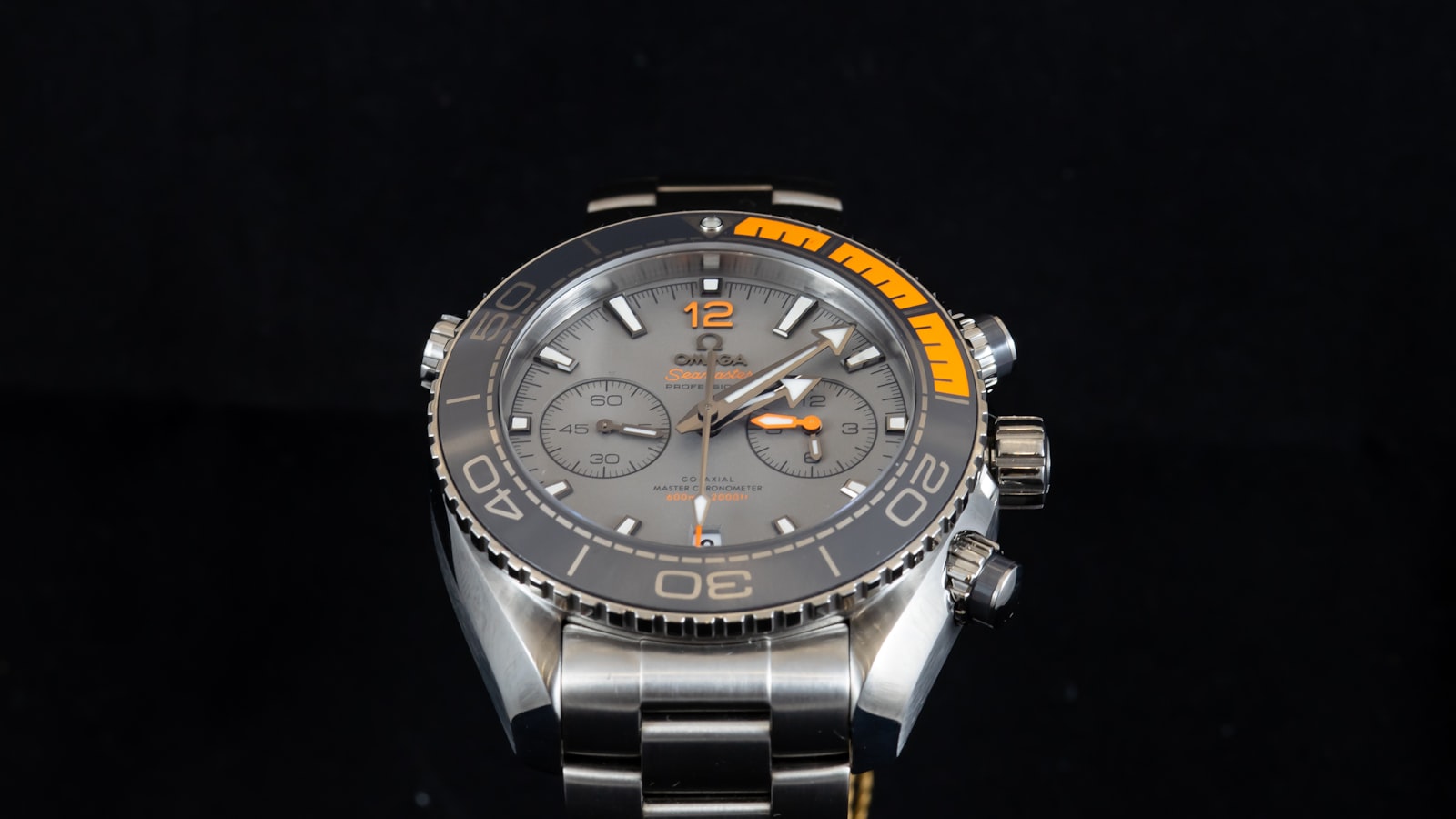
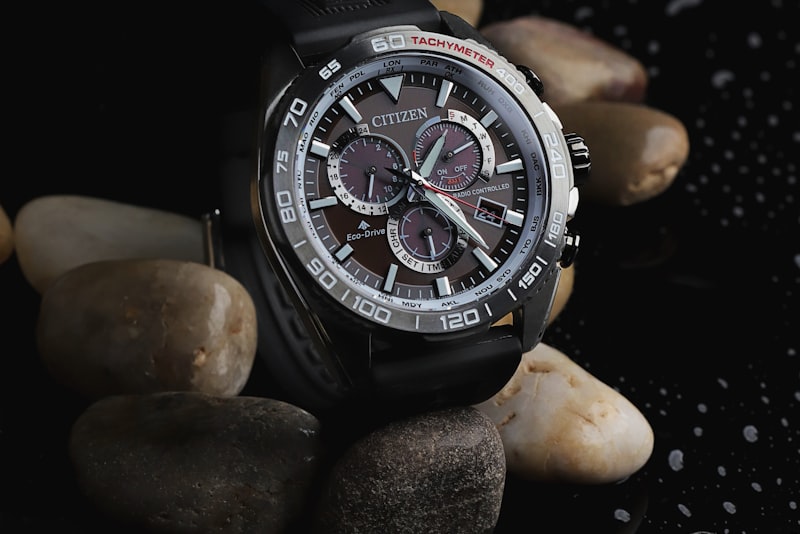
The dress watch is the quietest member of the watch world, and that is exactly the point. Where a dive watch shouts about depth ratings and a chronograph bristles with pushers, a dress watch whispers. Understanding what makes one work helps you see why, sometimes, the most restrained piece on the wrist is the most expressive.
What Actually Makes a Watch a Dress Watch#
There is no certification that stamps a watch as formal, but a clear set of traits has settled over the last century. A true dress watch tends to be:
- Thin. A slim case slides under a shirt cuff without snagging, which is the original reason the style exists.
- Small to moderate in diameter. Classic proportions sit roughly in the 34mm to 40mm range, though this is taste, not law.
- Minimal on the dial. Hours, minutes, and often nothing else. Many purists prefer no date window at all.
- Restrained in materials. Polished steel, gold, or platinum cases paired with a leather strap rather than a metal bracelet.
The unifying idea is elegance through subtraction. Every element that does not need to be there is removed, so the few remaining details carry more weight.
Slimness Is the Whole Game#
If you remember one thing, remember case thickness. A dress watch is meant to disappear under a cuff, and a tall case fights that goal. Many dressy pieces measure well under 10mm thick, and the most refined can dip toward 6mm or 7mm.
This slimness usually comes from the movement inside. Thin mechanical movements, especially hand-wound ones, allow for a flatter profile because they skip the rotor that an automatic uses to wind itself. That said, plenty of excellent dress watches are automatic, and a well-made quartz movement can be exceptionally thin too. None of these is inherently more correct. Hand-wound movements appeal to people who enjoy the daily ritual of winding, while automatics offer convenience and quartz offers accuracy and low maintenance.
The Dial: Quiet by Design#
A dress watch dial favors legibility and calm over information. Common choices include:
- Simple indices or Roman numerals instead of large luminous markers.
- Slim dauphine or leaf-shaped hands rather than bold sword hands.
- A clean color palette, typically white, silver, black, or a soft champagne tone.
Texture often does the talking. A guilloche pattern, a sunburst finish, or a subtly grained surface adds depth without adding clutter. Because there is so little competing for attention, finishing quality shows clearly, which is why dress watches reward close inspection.
Water Resistance and Real-World Care#
Dress watches are not built for water, and you should treat them accordingly. Many carry a modest 30m rating, which in practice means resistance to splashes and rain, not swimming or showering. Some reach 50m, which adds a little margin, but neither figure invites you into a pool.
Always follow the manufacturer's specific water-resistance guidance rather than assuming a number means more than it does, and never operate the crown when the watch is wet. Gaskets age, so the rating on a new watch is not a permanent promise. If you own a mechanical dress watch, plan on periodic servicing per the maker's recommendation to keep the movement and seals healthy. A watch is a piece of craftsmanship to enjoy, not a guaranteed financial asset, so buy one because you like wearing it.
Straps Make or Break the Look#
The strap is where a dress watch states its intentions. A slim leather strap in black or dark brown is the traditional choice and pairs naturally with formal clothing. Considerations worth keeping in mind:
- Match the metals. A black strap with a silver buckle suits a steel or white-gold case, while brown and gold tones lean warmer.
- Keep it proportional. A thin watch deserves a thin strap; an overly chunky band breaks the elegance.
- Mind the leather. Smooth calf or alligator-grain leather reads more formal than rugged, padded straps.
Metal bracelets can work on dressier sport watches, but a classic dress watch almost always looks most at home on leather. The supple drape of a good strap is part of why these watches feel so comfortable for long evenings.
When a Dress Watch Beats a Sport Watch#
A dress watch earns its place when subtlety matters. Weddings, formal dinners, interviews, and anywhere a tailored jacket appears all favor a thin, quiet piece. A large dive watch under a dress shirt looks like it is trying too hard, and it physically struggles to fit under the cuff. The dress watch solves both problems at once.
That does not mean it is only for black-tie occasions. Many people enjoy a dress watch as their everyday wear precisely because its modest size is so comfortable and its clean dial never feels dated.
Buying With Your Eyes Open#
Dress watches span an enormous range, from affordable quartz pieces to heirloom-level mechanical ones. A few honest pointers:
- Try the size on. Photos exaggerate. A 38mm watch can wear large or small depending on lug length and dial layout.
- Decide how much you value thinness. It often drives both the look and the price.
- Be careful with the pre-owned market. Verify the watch's authenticity and the seller's reputation before buying used, since a great deal that turns out to be a fake is no deal at all.
None of this is investment advice. Values rise and fall, and most watches are not financial instruments. Choose based on how a piece looks and feels to you, not on a hoped-for resale figure.
The Takeaway#
A dress watch proves that restraint is its own kind of statement. Keep the case thin, the dial quiet, and the strap appropriate, respect its modest water resistance, and you have a timepiece that elevates everything you wear without ever raising its voice. In a category obsessed with more, the dress watch makes a confident case for less.