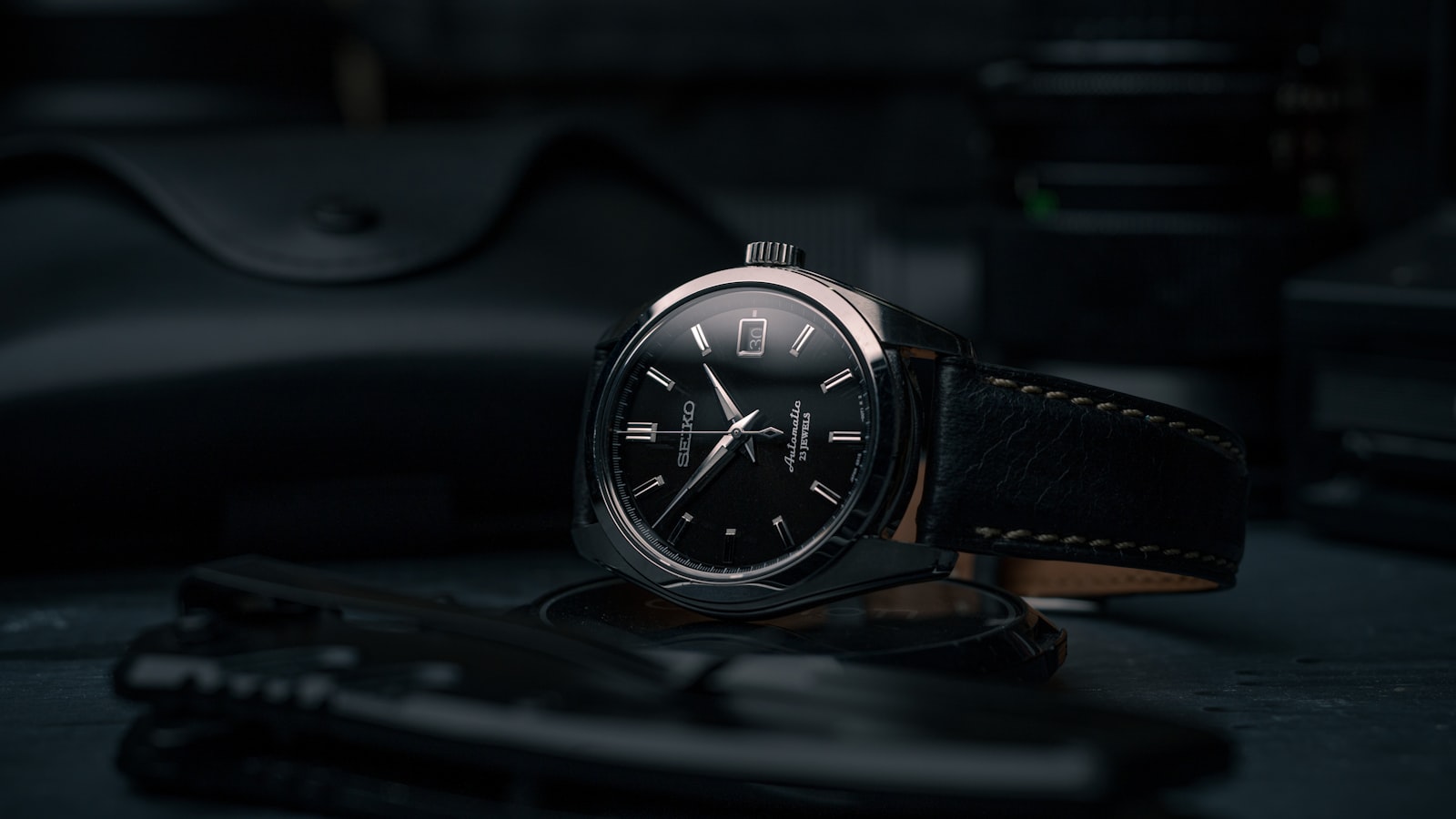
Changing a strap is the cheapest, fastest way to make one watch feel like several. A dressy leather band turns a casual diver into something boardroom-ready, while a nylon strap makes a formal piece relaxed enough for the weekend. Done correctly, a strap swap takes a couple of minutes and costs nothing in damage; done carelessly, it leaves scratches you will see every time you glance at your wrist. Here is how to do it the right way.
Measure the Lug Width First#
The single most important number is the lug width, the distance between the two lugs where the strap attaches. Get this wrong and the strap either will not fit or will sit loose and ugly.
- Measure the gap between the lugs in millimeters, not the strap itself
- Common widths are even numbers such as 18mm, 20mm, and 22mm, though odd sizes like 19mm and 21mm exist
- The strap width must match the lug width exactly; a 20mm strap will not seat properly in 22mm lugs
Many watches also taper, so a 20mm strap at the lugs might narrow to 16mm at the buckle. That is a style choice, but the lug-end measurement is the one that must be correct.
Most watches hold the strap with spring bars, small spring-loaded pins that compress to release. The tool you use matters enormously for avoiding damage.
- A proper spring bar tool has a forked end to catch the spring bar's shoulder and a pointed end for push-through cases
- Avoid improvising with knives, screwdrivers, or scissors, which slip easily and gouge the case or lugs
- For watches with drilled lugs (small holes on the outside of the lugs), the pointed end pushes the bar in cleanly from outside, which is the safest method of all
- Work over a soft cloth or tray so a launched spring bar does not vanish into the carpet
A dedicated tool costs little and protects watches worth far more. It is the one purchase that pays for itself the first time you avoid a scratch.
Step-by-Step: Removing and Fitting a Strap#
Take your time and follow a consistent sequence:
- Lay the watch face-down on a soft surface to protect the crystal.
- Slide the forked end of the tool between the strap and the lug to catch the spring bar's flange.
- Compress the spring bar by pulling its shoulder inward until the bar clears the lug hole, then ease that side free.
- Repeat to remove the bar from the other lug and lift the strap away.
- Thread the spring bar through the new strap's end.
- Seat one end of the bar in its lug hole, compress the other end with the tool, and let it spring into place.
- Tug gently on both sides to confirm the bar is locked in. A strap that pulls free is not seated and is unsafe to wear.
Patience matters most on the final step. A spring bar that is not fully engaged can release without warning and send your watch to the floor.
Choosing the Right Material#
Material is where you control the watch's entire character. Each option carries its own strengths:
- Leather is the classic dress choice, smart and comfortable, but it dislikes water and sweat. Keep it away from pools and let it breathe to extend its life.
- Nylon (including single-pass styles) is casual, tough, breathable, and shrugs off water. Excellent for summer, sport, and worry-free daily wear.
- Rubber and silicone are purpose-built for water and heat, making them the natural match for a dive watch.
- Steel bracelets are durable and versatile, dressing a watch up or down, though they add weight and need occasional cleaning of the links.
A single watch wearing leather one day and nylon the next genuinely feels like two different timepieces, which is the whole appeal of building a small strap wardrobe.
Match the Strap to the Watch and the Occasion#
Beyond material, consider how the strap suits both the watch and where you are wearing it:
- A slim leather strap elongates and elevates a dress watch
- A rugged rubber or nylon strap complements the tool-watch character of a diver and is far happier around water
- Color and texture should harmonize with the dial and case; a polished dress case pairs with smooth leather, while a brushed sport case suits matte nylon
- Keep the buckle or clasp finish consistent with the case, matching steel to steel or coated hardware to a coated case
Remember that the strap also affects practicality. If your watch is rated for 100m or 200m and you intend to swim, a water-friendly rubber or nylon strap protects both the experience and the strap itself, since leather will degrade quickly in water regardless of how well the case is sealed.
Caring for Your Straps#
A little maintenance keeps straps looking their best. Wipe leather with a dry cloth and store it away from direct heat and moisture. Rinse nylon and rubber straps occasionally to remove sweat and salt, which prolongs them and keeps them comfortable. Inspect spring bars now and then, because a corroded or weakened bar is a watch waiting to fall, and replace any that look worn.
Conclusion#
Swapping straps is one of the most rewarding skills in watch ownership, transforming a single piece into a whole rotation for the price of a few bands. Measure the lug width precisely, use a proper spring bar tool, seat the bars fully, and choose materials that match both the watch and the occasion. Master these basics and you will refresh your wrist anytime you like, with zero risk of scratches or surprises.