There is a particular trap many watch enthusiasts fall into: buying piece after piece until the drawer is full of watches that all do roughly the same job. A small, deliberate collection of three to five watches can cover nearly every situation in your life, and it does so with far less wasted money. The goal is coverage without overlap, where each watch earns its place by doing something the others cannot.
Start With the Roles, Not the Watches#
Before browsing a single listing, map out the occasions you actually dress for. Most people's lives break down into a handful of recurring scenarios:
- Formal and dressy events such as weddings, interviews, and dinners
- Active and rugged use including travel, water, and outdoor work
- Everyday wear at the office, running errands, and casual weekends
If you build one excellent watch for each role, you have a collection that handles almost everything. Buying by role rather than by impulse is the single biggest difference between a focused collection and an expensive pile of near-duplicates.
The Dress Watch#
A dress watch is built to slip under a cuff and look refined. The classic recipe is a slim case, a clean dial, and a leather strap.
- Size: typically 36mm to 40mm, with a thin case profile so it sits flat under a sleeve
- Movement: automatic or hand-wound mechanical suits the elegance, though a quartz dress watch is perfectly valid and stays accurate with zero fuss
- Water resistance: often only 30m or 50m, which is fine for a watch that should never see a pool
- Dial: restrained colors, minimal text, slim hands and markers
Resist the urge to over-spec here. A dress watch's job is subtlety, and a chunky 44mm case with a busy dial defeats the purpose.
This is the watch you stop worrying about. A capable dive or field watch shrugs off knocks, water, and adventure.
- Water resistance: look for a genuine 100m, 200m, or more, with a screw-down crown for serious water use
- Case material: robust 316L stainless steel, or titanium if you want lighter weight and better scratch resistance
- Crystal: sapphire is highly scratch-resistant and well worth it on a watch that takes abuse
- Legibility: strong lume and high contrast so you can read it instantly
- Movement: a reliable automatic or a tough quartz both work; quartz adds shock and accuracy advantages for hard use
Whatever the rating, follow the manufacturer's water-resistance guidance and have the gaskets and seals tested periodically, since water resistance is a maintained property, not a permanent one.
The Everyday Workhorse#
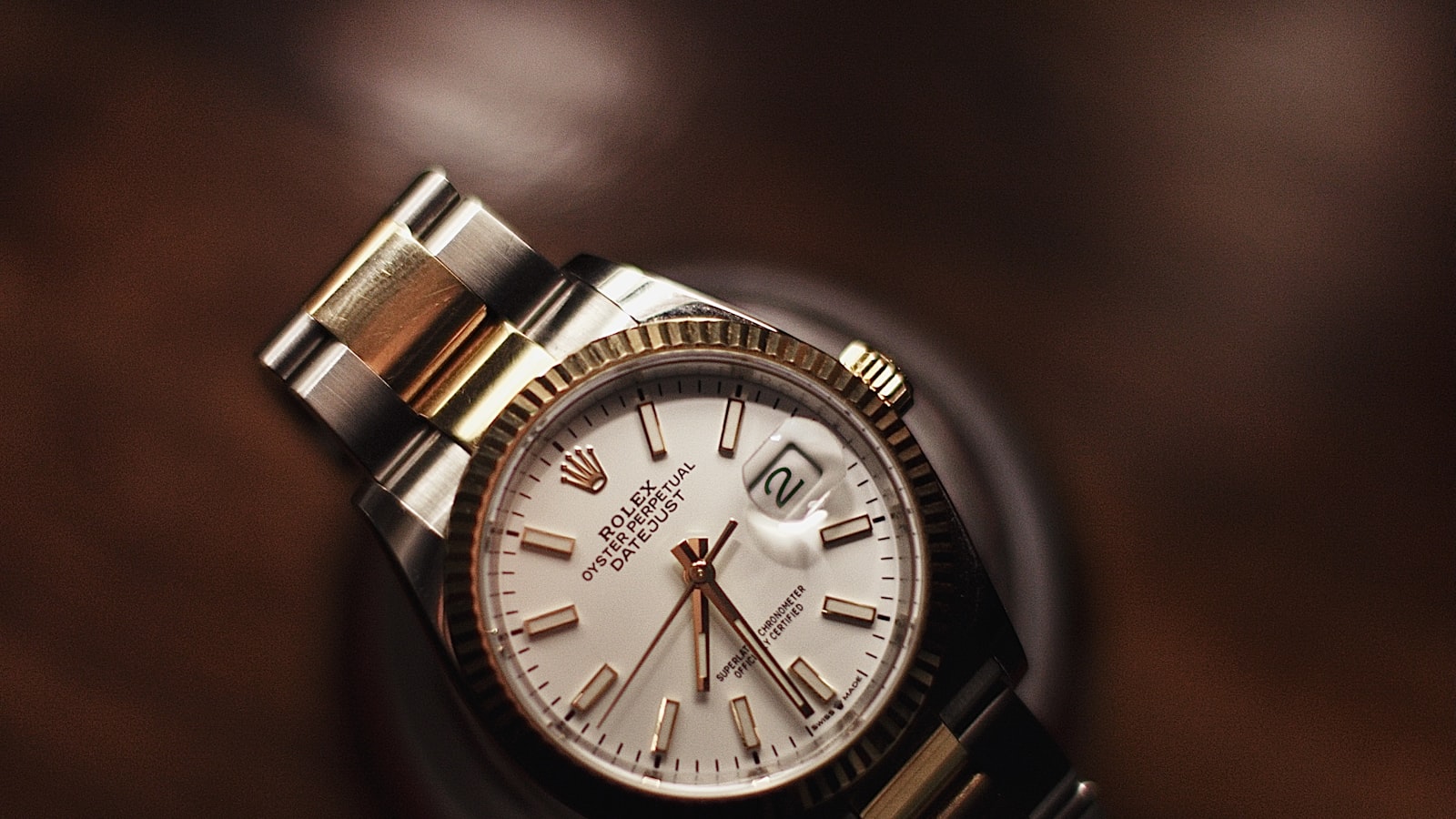
The third pillar is the watch you reach for most days, sitting comfortably between dressy and rugged. Many enthusiasts choose a versatile GADA piece, short for "go anywhere, do anything."
- Size: around 38mm to 41mm to suit most wrists and most outfits
- Versatility: a design that looks right on a metal bracelet for work and a leather or nylon strap for the weekend
- Water resistance: 100m is a sweet spot, covering everyday water exposure without the bulk of a serious diver
A great everyday watch quietly does the work of two, which is exactly why it belongs in a tight collection.
Where Watches Four and Five Fit#
Once the three core roles are covered, additions should fill genuine gaps rather than duplicate existing pieces. Strong candidates include:
- A chronograph if you want a stopwatch complication and a sportier dial layout
- A travel or GMT watch if you regularly cross time zones and want to track a second one
- A grab-and-go quartz for days you want zero maintenance and total reliability
The discipline is simple: if a prospective watch overlaps heavily with something you already own, skip it. Two black-dial divers of similar size do not make a richer collection; they make a redundant one.
Avoiding Overlap and Buyer's Fatigue#
The fastest way to bloat a small collection is to keep buying variations of your favorite style. To stay disciplined, ask three questions before any purchase:
- What does this do that nothing else in my collection does?
- Will I genuinely wear it, or just admire it in the box?
- Does it fill a role I actually have in my life?
If you cannot answer the first one clearly, you are probably buying a near-duplicate. Quality over quantity keeps every watch in rotation and keeps the collection feeling intentional rather than cluttered.
Budget and the Honest Truth About Value#
A focused collection is also kinder to your wallet, because every watch is used rather than gathering dust. Spread your budget so each piece is the best version of its role you can comfortably afford, rather than buying many lesser watches that do the same job.
It is worth stating plainly: a watch is not a guaranteed financial investment, and none of this is investment advice. Some pieces hold value better than others, but you should buy because the watch serves a real purpose and you enjoy wearing it. If you ever buy pre-owned to fill a role, verify the watch's authenticity and the seller's reputation before handing over money, and confirm any stated water resistance still holds.
Conclusion#
A great collection is not about how many watches you own but how completely they cover your life with as little overlap as possible. Build around roles, dress, sport, and everyday, then add only pieces that fill genuine gaps. Three to five well-chosen watches, each excellent at its job, will serve you better than a drawer full of redundant ones, and you will reach for every single one.